Choose the beach bag you want
Yiwu Camytonc Imp& Exp Co., Ltd.
Since 2013, Camytonc has established itself as a premier manufacturing leader, backed by BSCI, ISO 9001, SGS, and TUV certifications. Operating from a 30,000m² facility with advanced automatic production lines and 500+ skilled workers, we deliver a massive monthly output of 150,000 units. Our strategic warehousing, holding over 3 million items, ensures rapid global delivery and seamless inventory management.
We specialize in efficient custom woven solutions, offering competitive pricing and flexible scaling for both small-batch and large-scale wholesale. From premium materials to precision branding, Camytonc combines industrial-scale power with expert craftsmanship to elevate your brand.
-
-
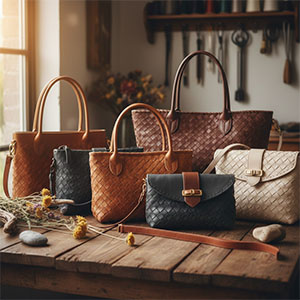
Woven Leather Bags
-
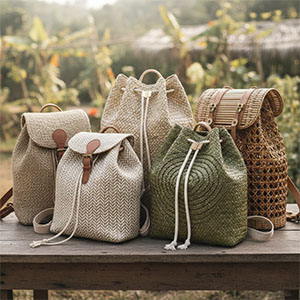
Woven Backpacks
-
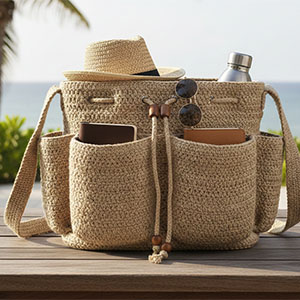
multi-pocket woven bag
-
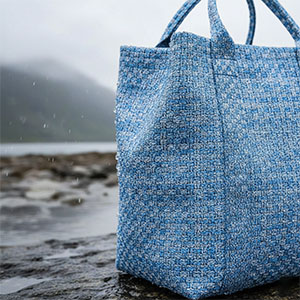
waterproof woven bag
-
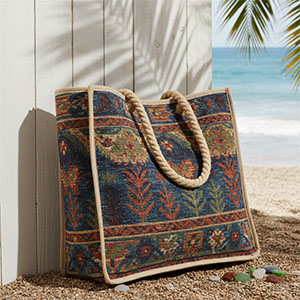
printed woven tote
-
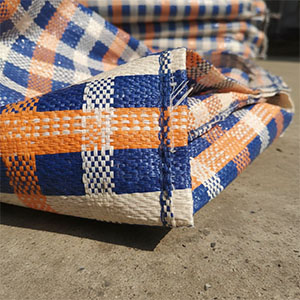
plastic weave bag
-
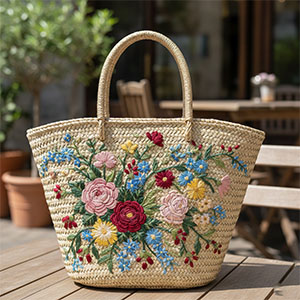
floral rattan bag
-
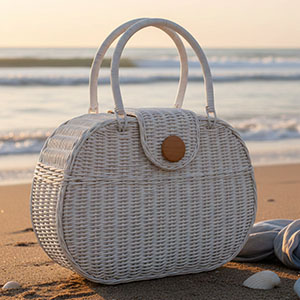
white wicker handbag
-
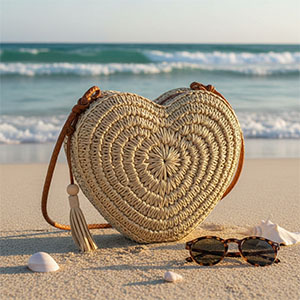
heart straw bag
-
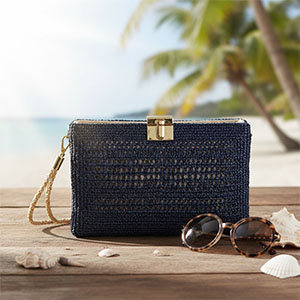
navy straw clutch bag
-
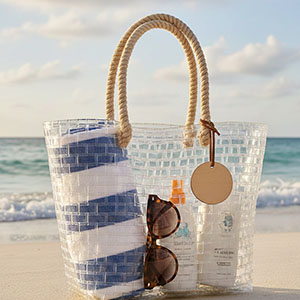
perspex beach bag
Customization Options for Beach Bags
Camytonc delivers professional, full-spectrum customization for every market need. From budget-friendly PP woven totes for mass retail to luxury leather-accented canvas for high-end lifestyle brands, we match materials to your brand’s positioning. Our expertise extends to functional structural tailoring, offering advanced features like thermal linings, multi-compartment organization, and heavy-duty triple-stitch construction for maximum durability. Elevate your brand identity with premium labeling solutions, including 3D woven labels, durable metal plates, and innovative reflective or interchangeable logo systems. With flexible MOQs and expert R&D, we transform complex requirements into high-quality, market-ready products that balance cost-efficiency with superior craftsmanship.
Customize Material
-
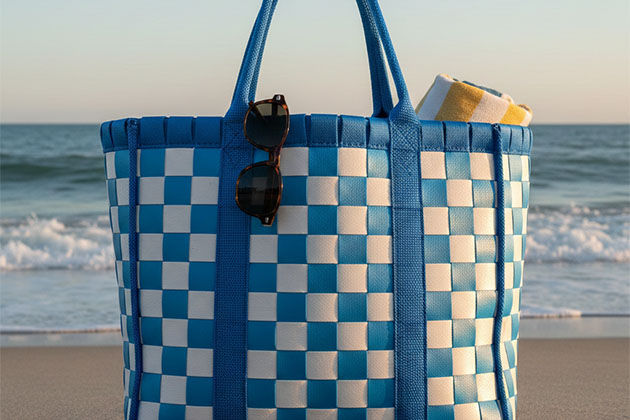 PP Woven Fabric (Polypropylene Woven)
Who It Fits: Supermarkets, retail stores, promo gift companies, fast-moving consumer brands.
Use Cases: Shopping bags, trade show giveaways, packaging bags, short-term promotional items.
Advantages: Cheapest price, not heavy, firm woven build with solid tear hold and damp guard; great for branding prints and big amounts.
vs Non-woven or cotton:Holds up better and fights moisture more than plain cloth or paper.
vs Cotton:Blocks water more and weighs less, suits wet spots well.
vs Leather:Costs around one-tenth as much, fits low-budget spots.
Recommendation:Top pick for cost-controlled, large-volume, short-term use.
-
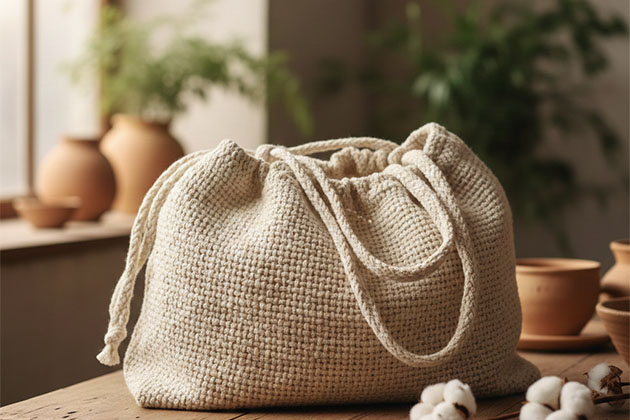 Cotton Woven / Canvas Woven
Who It Fits: Fashion brands, lifestyle products, mid-to-high end gifts, eco-friendly brands.
Use Cases: Branded retail tote bags, bookstore/café merch, long-term everyday use bags.
Advantages: Gentle touch, fine grain, good color soak/print outcomes, green look, reusable.
vs PP woven:Offers nicer feel and brand view, even if it runs ~30–50% higher in price.
vs Straw woven:Works better and lasts longer for routine tasks.
vs Nylon:Gives a more real sight, matches lifestyle brand spots.
Recommendation:Top for brands that stress quality feel and eco image.
-
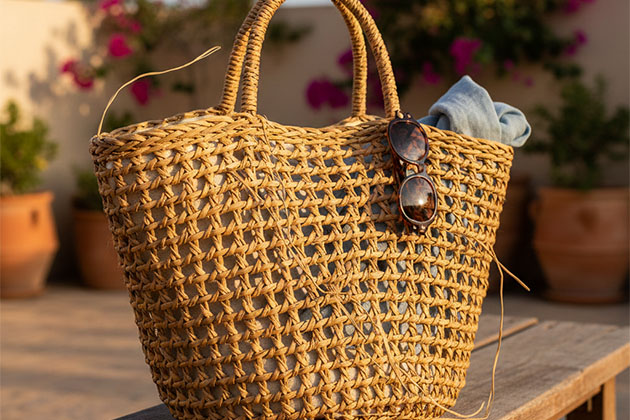 Straw / Wicker / Raffia Woven
Who It Fits: Resort hotels, travel brands, summer collections, artisanal labels.
Use Cases: Beach bags, resort gifts, summer promos, wedding favors.
Advantages: Clear seasonal and visual appeal, real stuff, attention-grabbing style.
vs Plastic woven:Looks more upscale but holds less water out.
vs Canvas:Stands out more and fits seasons, though it wears faster.
vs Leather:Weighs less and fits easy, fun themes well.
Recommendation:Best when seasonality and strong visual impact count.
-
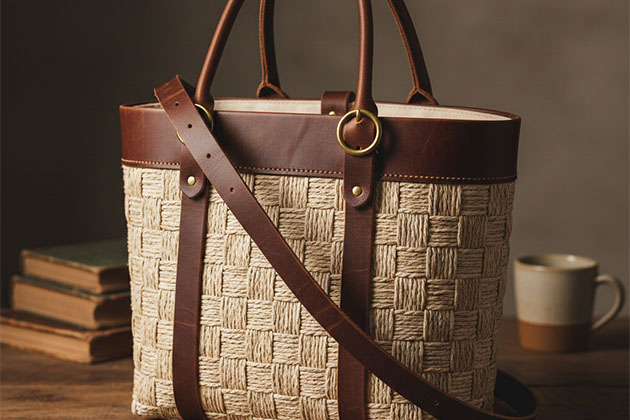 Leather-Accented Woven
Who It Fits: Premium brands, high-end gifts, executive corporate giveaways, designer lines.
Use Cases: Flagship store packaging, premium event gifts, limited editions.
Advantages: Boosts felt worth a lot, solid staying power, and neat look.
vs All-leather:Runs ~40% lower in cost with fine quality touch.
vs Pure woven:Lifts brand spot a good deal.
vs PU leather:Real leather touch for top markets.
Recommendation:Fine if unit price > ~$30–40 and high-end branding matters.
Customize functional structure
Basic Opening vs Full Zipper
A basic open-top design keeps things plain, lets you reach in easily, and holds costs down. It works well for supermarkets, fashion shops, and daily tasks like shopping or beach trips. Here, quick reach and low budget stand out.
On the other hand, a full zipper closure gives better guard, dust and light water hold. It also stops items from spilling. This fits travel, commuter bags, and spots with more theft worries better. The zipper type costs extra. Yet it adds felt worth and real shield. That helps for brand goods or lasting use.
Single Pocket vs Multi-Compartment Organization
A single internal pocket opens up space and cuts costs. It suits shopping bags and basic gift bags for clothes, books, or general stuff.
By contrast, a multi-compartment layout uses extra pockets or movable splits. This aids sorting for split storage. It helps a lot for digital products, baby gear, and travel basics. Think laptop slots, bottle spots, or clear tool areas. These keep things neat and safe. Each added pocket raises make costs a bit. But it boosts use greatly.
Short Handle vs Adjustable Shoulder Straps
Short tote-style handles stay classic, cheap, and small. They fit hand-held shopping or gift bags.
Adjustable shoulder straps raise comfort and free hands. They suit longer carry, like commuting, biking, or heavy loads. Shoulder setups get more involved and add cost. Still, they improve body fit for daily needs.
Selection Tips
Pick open-top + single pocket + short handlesfor budget, mass-promo productsand short-term use.
Pick full zipper + multi compartments + adjustable strapsfor brand products, travel bags, and organized daily use.
Match build to target audience, usage scenario, security needs, and cost thoughtsto get the best setup.
Customize Sewing method
In bag building, the number of stitch lines shapes strength, load hold, look, and cost right away.
| Sewing method | Iamges | Features |
| A single-line stitch | 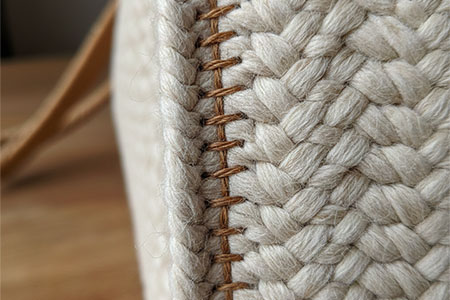 |
A single-line stitch (one row of lockstitch or straight stitch) stays plain and saves money. It fits lightweight shopping bags and budget products that hold ~3–5 kg. These stress ease and low price. |
| A double-line stitch | 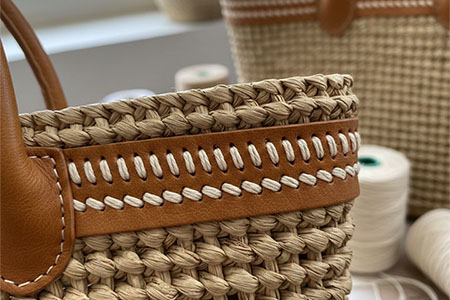 |
A double-line stitch puts two even stitched rows (like double needle or twin-needle lockstitch). This raises seam power and stress fight a lot. Such rows show up in daily use bags and commuter backpacks. They back average loads (often ~8–12 kg). They mix staying power with fair cost jumps (~15–20%). |
| A triple stitch | 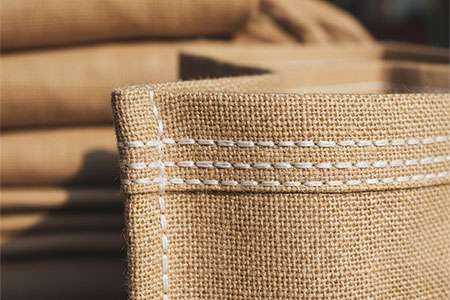 |
A triple stitch or triple straight stitch adds a third back-up line or edge lock/topstitch mix. This builds very high seam strength. Pro machine ways lift pull power up to 300 % over single lines. It suits heavy-load bags, outdoor gear, and long-term use products that carry 15 kg+ often. These need tough reliability. |
On sight, single stitching seems neat and plain. Double rows look neat and even. Three-line/topstitched edges show pro quality. Each extra run ups thread and machine time. So costs climb about 15–20 % for double and 30–50 % for triple stitching from single-line starts. But they give much firmer, longer seams in all.
Customize lining
-
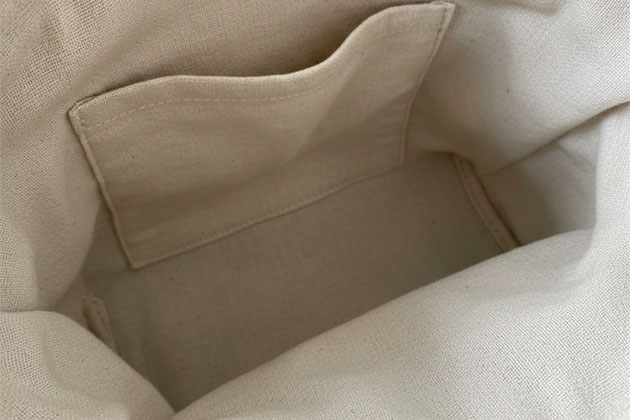
Thin Cotton Cloth Lining
A 120–180 g cotton fabric lining adds gentle feel and form without much weight. The cotton inside stops small items from falling out. It also lifts touch quality and look a bit. This shows up in everyday tote bags, bookstore or café merchandise, and casual gift bags. Here, fair shield and nice hand feel matter.
-
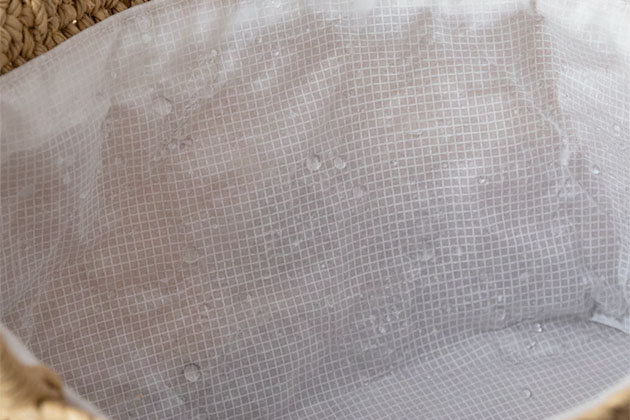
Waterproof Coating Lining
Waterproof linings use stuff like PE (polyethylene), PVC, or TPU-coated fabrics to stop damp and spills. PE liners save money as blocks to water and dirt. Metalized or multi-layer foil bonds to PP woven cloth. These block damp, air, and light. That raises guard for what’s inside. Waterproof linings fit pool bags, beach bags, and rain gear storage. Based on build, these linings reach fair waterproof level for light to heavy wet spots.
-
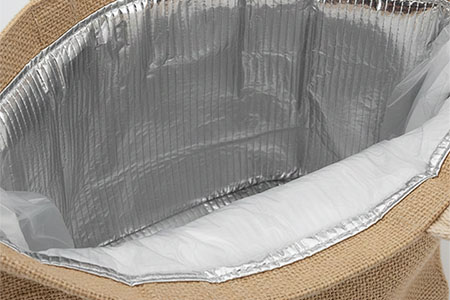
Insulated / Thermal Lining
Thermal guard linings mix foam (EPE or similar) with reflective layers such as aluminum foil. Foam holds air and slows heat move. Aluminum foil bounces back heat rays. This helps keep inside temp steady. Bags with 3–5 mm foam and foil liners hold temp for hours. They suit food delivery, picnics, or cold-chain transport. These multi-layer builds mix guard power with bend and are used where temperature control (hot or cold) for 2–6+ hours is needed.
Customize LOGO
Woven Label
Best For: Premium and designer brands, detail-focused retailers.
Technique: Labels get individually woven and then sewed on the bag. You can add different front/back designs, logos, sayings, or sign patterns. Special threads, like metallic (gold/silver) or phosphorescent threads, raise touch and sight depth.
Compared to Direct Printing: Woven labels bring higher refinement, touch fullness, and sight luxury.
MOQ: ~300 pcs (label making has its own MOQ).
Metal Logo Plates
Best For: High-end brands, leather-accented designs, masculine or rugged product lines.
Materials: Zinc alloy, brass, stainless steel, and enamel-filled badges for color details.
Compared to Embroidery: Metal plates give a harder, more durable look and fit outdoor or premium styles better.
MOQ: ~200 pcs (custom die/mold required).
Heat-Pressed PVC Logo
Best For: Sport brands, outdoor gear, youth streetwear.
Technique: Heat-pressed PVC makes raised or textured logos, including 3D effects, clear/translucent layers, and glow-in-the-dark finishes.
Compared to Screen Print: Lasts longer and feels tech-forward, with better wear hold and sight depth.
MOQ: ~500 pcs.
Laser Engraving
Best For: Eco and minimalist brands, leather/accent pieces, wood or metal hardware.
Technique: Uses laser to etch or engrave a logo without ink. The outcome stays permanent, quiet, and neat.
Compared to Foil Stamping: Laser stays understated, clean, and durable, fits “no-mark” or modern minimal brand views.
MOQ: ~100 pcs.
Reflective Logo Printing
Best For: Safety-focused products like night running packs, outdoor gear, workwear accessories.
Performance: Uses reflective inks that can meet EN ISO 20471 visibility standards, raising safety at night.
Compared to Standard Print: Brings night-time visibility and functional value, beyond just branding.
MOQ: ~1000 pcs (higher cost due to specialty inks).
Hidden Logo Design
Best For: High-end custom projects, member exclusives, luxury style.
Design Concept: “Discoverable” branding that doesn’t shout, building a premium, intimate customer experience.
Compared to Prominent Logos: Raises brand tone and draws picky groups.
MOQ: ~50 pcs (higher unit cost due to design complexity).
Interchangeable Logo System
Best For: Companies with recurring events, seasonal updates, co-brand collaborations.
Commercial Value: Lets buyers switch logos or badges, stretching product life and upping repeat buys.
Compared to Fixed Logos: Builds greater engagement and ongoing sales, lifting product life worth.
MOQ: ~1000 pcs (system and tooling development required).
-
Minimum Order Quantities (MOQ)
PP Woven Fabric:
MOQ: 100 pcs (most flexible option)
Details: Suits cheap, big-run orders. This stuff gives wide use, fitting many promo goods and wide-market items.Cotton/Canvas Woven:
MOQ: 200 pcs (fabric has a minimum procurement quantity)
Details: A step-up material, cotton and canvas woven fabrics fit shops and finer goods. Material getting needs a bigger min order.Straw/Wicker:
MOQ: 300 pcs (handcrafted components limit production efficiency)
Details: Real stuff like straw and wicker has a country charm. But hand work limits output. Best for season or one-of-a-kind items.Leather-Accented:
MOQ: 50 pcs (higher unit price)
Details: Leather-accented woven bags add a premium touch but carry higher per-unit cost from stuff and skill. Suits top, design goods.Special Function Materials (Waterproof/Insulated):
MOQ: 500 pcs (requires special material procurement)
Details: Special stuff like waterproof fabrics or insulated linings needs extra getting and can raise costs. These fit outside tools, picnic bags, or cold-chain goods.Mixed Batch Policy
Same Material Mixed Styles:
MOQ: 200 pcs for a mix of 2–3 styles in the same material.
Details: Gives room in design picks while keeping material steady.
Same Series Mixed Colors:
MOQ: 300 pcs for a mix of 3–5 colors in the same product series.
Details: Lets you vary shades while holding the same design style.
Tiered Pricing:
MOQ: Different price points apply depending on total order volume (500 pcs/1000 pcs/5000 pcs/10,000 pcs)
Details: Bigger orders get price cuts, making bulk buys more wallet-friendly.
-
Custom Backpack Process and Lead Time
Standard Customization Process:
Requirement Confirmation Stage (1-3 Days): Client provides custom requirements. Our team offers solution proposals. Both parties confirm cooperation details.
Sample Production Stage (5-7 Days): Design sampling. Sample confirmation. Modifications and adjustments.
Mass Production Stage (15-20 Days): Material procurement. Cutting and sewing. Process finishing. Quality inspection.
Packaging and Shipping Stage (2-3 Days): Packaging and warehousing. Logistics arrangement. Delivery tracking.
Expedited Service Options:
Standard Expedited: +20% cost, reduces production time by 30%.
Rush Expedited: +30% cost, reduces production time by 50%.
Super Rush Expedited: +40% cost, reduces production time by 70%.
-
Global Logistics & Shipping Solutions
Versatile Shipping Channels: Our shipping covers Sea, Rail, and Air freight. We ensure steady delivery to any spot worldwide.
Express for Small Batches: For small lots or rush jobs, we use top couriers like DHL, FedEx, UPS, and TNT. This door-to-door service gets there in 5–7 working days.
Bulk Freight Solutions: For large orders, pick Air Freight for quickness or Sea Freight to save most money. Sea Freight takes 40–45 days usually. But it’s the cheapest way to keep your project budget low.