Choose the backpack you want
Yiwu Camytonc Imp& Exp Co., Ltd.
Camytonc has been a leader in professional backpack manufacturing. With BSCI, ISO 9001, SGS, and TUV certifications, our 30,000m² facility features automated production lines and 500+ skilled workers, delivering a massive 150,000-unit monthly output.
We specialize in high-performance custom solutions, ranging from eco-nylon to premium leather. Our designs integrate advanced functional systems, including 360° laptop protection and professional waterproofing. With a 3-million-unit storage capacity, we guarantee fast 15-day delivery and reliable global shipping. Partner with Camytonc for scalable production, expert branding, and elite quality that drives brand growth.
-
-
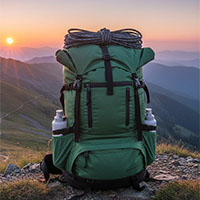
travel backpack
-
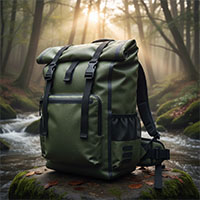
waterproof backpack
-
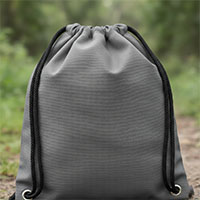
drawstring backpack
-
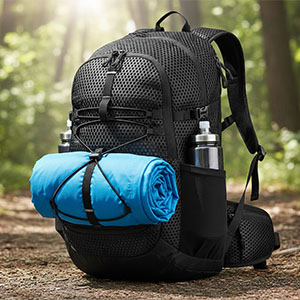
personalized mesh backpack
-
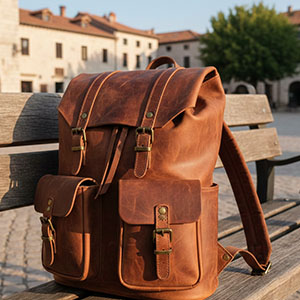
leather backpack
-
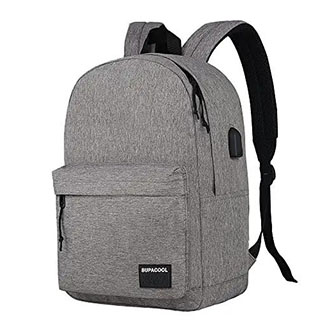
school backpack
-
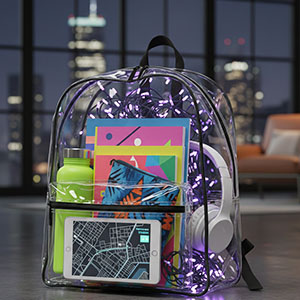
clear bag backpack
Customization Options for Backpacks
At Camytonc, we focus on building solid custom backpacks that fit your requirements. We use a broad selection of materials, such as nylon, canvas, and eco-friendly options. We also adjust sizes and functional systems, including laptop protection and smart charging. Branding choices cover embroidery, screen printing, and heat transfer printing. With reasonable minimum order quantities, quick turnaround times, and quality packaging, we deliver tough, good-looking backpacks. You can rely on us for a smooth customization process and reliable quality that matches your goals.
Selecting the Materials for Backpacks
Nylon Fabrics
Base Nylon Fabrics
A thick layer of nylon, weighing between 110 and 160 grams per square meter – lightweight yet strong enough for everyday carries. Water resistance reaches 3000 millimeters under PU sealant, keeping things dry without extra fuss. Suitable where basic protection matters most across short to medium distances Strong hold comes through 420D Nylon – bending stays within 180 to 220 grams per square meter. This material works fine where bags get regular use, especially on short journeys. Waterproof layer resists up to ten thousand millimeters of water thanks to TPU plus PU shielding. Rugged protection shows clearly when rain hits without seeping through. Packed tough, this 600D nylon stands between 240 and 280 grams per square meter. Withstand scratches and tears without flinching. Built solid for jobs that demand durability. Handles wet gear just fine – rated at 10,200 mm H₂O. Handles heavy loads from backpacks all day long. A thick weave, around 300 to 400 grams per square meter – this stuff holds up well. You often see it in gear meant for rough missions or carrying gear closely. Picture a backpack built for intense use or a case holding fragile optics. It resists water and survives scrapes thanks to protective layers stacked tight. Sometimes durability shows not in words but how something survives a fall or storm.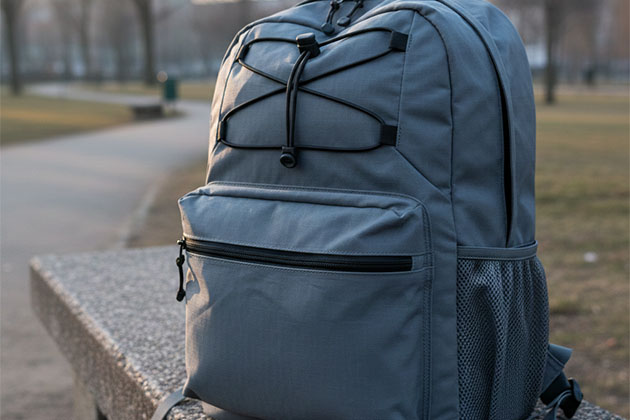
Functional Nylon Fabrics
Waterproof Nylon: Complete moisture block with TPU/PU/PVC mixes, fitting for bendy, strong waterproof backpacks.
- PU Coating: Not heavy, with entry-level water guard (3,000–8,000 mm H₂O), good for regular backpacks.
- PVC Coating: Strong waterproof level (over 10,000 mm H₂O), best for job sites and rough outside spots, though it stiffens the material.
- TPU Lamination: Advanced waterproof method (10,000+ mm H₂O), pliable, reusable, and holds up well in cooler weather.
Ripstop Fabric: Strengthened by cross-weaving to stop tears, good for outside tools and heavy tasks.
Reflective Nylon: Includes shine features for better night sight, ideal for daily and bike backpacks.
Flame-Retardant Nylon: Fire-safe, meets safety rules, suited to workplace and fire equipment.
Polyester Fabrics
Polyester materials show up often in backpacks because of their reliability, low price, and wide use. We gauge the material by Denier (D), a measure of fiber density. A bigger Denier number points to denser, firmer fabric. But that also raises the material’s weight.
Lightweight – around 80 to 120 grams per square meter – makes 190T feel breezy while holding firm on color and smoothness. You often see it in tote bags handed out at events or backpacks meant for young learners.
Moving up just a bit in weight, 210T lands near 120 to 160 grams, where it gains strength against tears. That edge matters when bags need to survive daily wear.
Not too thin, not bulky – 300T sits at 160 to 200 grams, suited for everyday carry slung over shoulders.
Construction-wise, 600D weighs between 250 and 300 grams, built tough enough for tasks that demand reliability.
When things get rough outdoors, 1200D steps in – measuring 400 to 500 grams – and holds its ground without flinching.
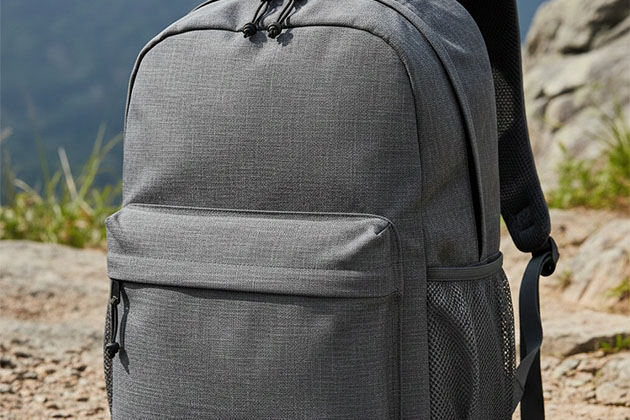
Recycled Polyester (rPET)
Built from recycled plastic bottles, it gives eco-friendly reliability like regular polyester. Applications include eco-minded backpacks, company presents, plus promotional goods.
A lightweight option shows up in recycled polyester – between 160 and 200 grams per square meter – bringing toughness and green credentials, suited for student carriers along with green promotional goods.
Moving forward, heavier duty fabric arrives in the same material, measured at 250 to 300 grams, built to last while using recycled inputs, handling bright dyes well; it fits well for office workers’ bags, trips across continents, or labels watching environmental impact.
Other Eco-Friendly Materials
Covers marine recycled plastic fabrics, recycled fishing net nylon, and bio-based polyester. Green sourcing cuts ocean plastic pollution. Applications: Eco-friendly fashion backpacks, outdoor gear, marine-related products.
Canvas Fabrics
Canvas serves as a common choice for backpacks thanks to its power, staying power, and nice look. It arrives in different weights and handling ways that offer clear traits for various purposes. Canvas usually comes from cotton. But mixes with man-made fibers boost reliability.
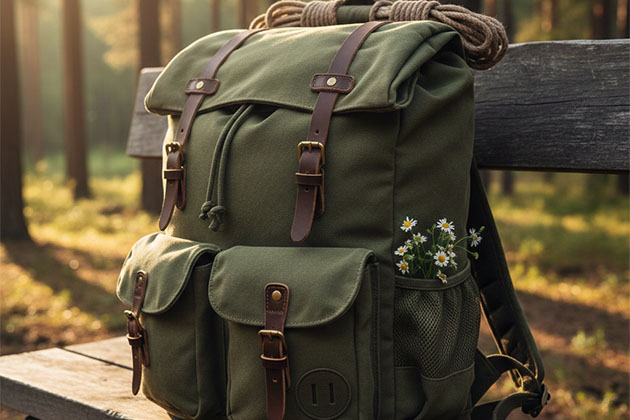
Cotton Canvas
8oz Canvas: Light weight – just 227 grams per square meter. Suitable when you need bags for giving away, say, branded samples. Works well with special ink jobs too.
10oz Canvas: Measures at 283 grams per square meter – solid without being bulky. Works fine in everyday student carriers or office supply cases.
12oz Canvas: Heavier than before, standing at 340 grams per square meter, it feels sturdier under the fingers. This weight suits older-fashioned backpack designs along with luggage meant for long journeys.
15oz Canvas: Built to last, weighing 425 grams per square meter. Handles heavy-duty tasks well – ideal for carrying tools or using outdoors during assignments.
Canvas Processing Techniques
Waxed Canvas: This stuff keeps water out while building a unique look over time – perfect when you need a solid weather shield on backpacks.
Washed Canvas: You’ll get a soft, lightly aged feel here, which works well if your bag is more about everyday style than heavy use.
Waterproof Canvas: It handles moisture better than regular canvas, making it suitable where performance matters, such as in daily commute bags or outdoor tools
Blended Canvas
Cotton-polyester blend gives strength while staying soft against skin – perfect when carrying books or wearing casual outfits throughout the week. Strength meets ease here, suitable for backpacks at school plus stylish items worn daily. Cotton mixed with linen brings airiness plus a feel that comes from nature, fitting well with clothes shaped by green ideals today. Water resists this version well due to smart layering built into its makeup. Toughness stands out clearly under rugged conditions found during travel through woods or city blocks alike. A mix built for function – water stays out, wear holds up. Fit for backpacks that tackle trails, weathered by use, built to last. Not just fabric, it handles demands of rough terrain without failing. Built tough, works well where moisture matters most. Handles heat, survives scratches, built for real-world tasks.
Leather Materials
Leather counts as a fancy and strong pick for backpacks. It comes in types from real hides to fake ones. Leather brings great staying power. It also gives a classy, lasting style to bags.
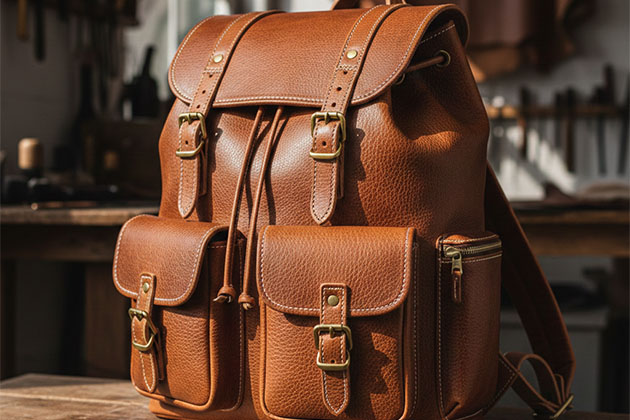
Genuine Leather
Full Grain Leather: Top grade, keeps real feel, improves with age, and forms a deep patina. Good for premium backpacks and luxury goods.
Corrected Grain Leather: Even feel, cheaper than full-grain, solid, and colorable. Fits luxury backpacks and casual leather bags.
Lambskin: Gentle, fine, light, ideal for luxury accessories.
Suede: Soft, chic, good for fashion-forward backpacks.
Vegetable Tanned: Green, changes over time, suits artisan bags and vintage-style backpacks.
Synthetic Leather
PU Leather: This option costs less yet still keeps water away. Perfect when picking basic budget backpacks or animal-free items.
Microfiber PU Leather: Almost like genuine leather it handles scratches better lasts longer uses fewer resources. Common in high-end plant-based bags that need strength without animal parts.
Eco-Friendly Leather: Includes alternatives made from mushrooms pineapple skin or reused materials. Tough enough for green-focused designs but also fits upscale small items. Mushroom leather shows up alongside pineapple leather plus recycled leather. Strength stands alongside sustainability here making it suitable for mindful fashion bags along with elegant accents.
Special function fabric
Special function fabrics bring specific fixes for backpacks.They mix ability, staying power, and green practices.
Waterproof and breathable fabrics, like GORE-TEX and eVent, keep people dry. They let sweat out too. So, they suit outside and top backpacks.
Cut-resistant materials, such as Dyneema and Kevlar, have high power-to-weight.They shield well for tactical and safe backpacks.
Smart fabrics allow color shifts with heat or light. They add conductive circuits and self-cleaning properties. These work for gadget backpacks and forward styles.
For green users, natural fabrics like hemp, organic cotton, and bamboo fiber give air flow, bug fight, and green perks. They fit light, earth-friendly bags. These fabrics boost backpacks for many roles. From strong outside tools to neat, green fashion pieces.
Custom lining material
Lining materials affect a backpack’s staying power, guard, and user feel a lot. Basic linings often use polyester or nylon. They balance price and work.
190T polyester taffeta stands as the usual pick. It has a smooth face, firm build, and steady shades at low cost.
210D nylon lining resists rubbing and tears more. So, it suits backpacks with heavy items or regular use.
Mesh lining goes on back parts or inside areas. It improves air flow and breath. Plus, it cuts damp build-up.
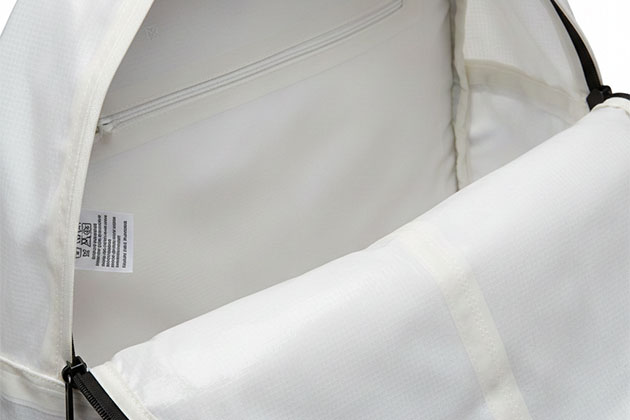
For better demands, functional linings get common use.
TPU waterproof linings seal the inside fully. They protect from rain, spills, and wet spots.
Fleece or velvet linings feel soft and block scratches. They suit laptops, tablets, cameras, and devices.
Flame-retardant linings meet job safety rules. They fit work, tool, or safe backpacks.
RFID-shielding linings add block layers. These stop unwanted scans. They raise safety for trips and work backpacks.
Green focus grows in lining picks too.
Recycled polyester linings from used plastics ease eco strain. They keep staying power.
Organic cotton linings offer a natural, skin-safe choice for green goods.
Also, PFAS-free water-repellent linings repel water without bad chemicals. This matches current eco rules.
These lining choices let backpacks fit guard, ease, safety, and green ways for different roles.
Dyeing of fabric
| Dyeing of fabric | Iamges | Features |
| Yarn Dyeing | 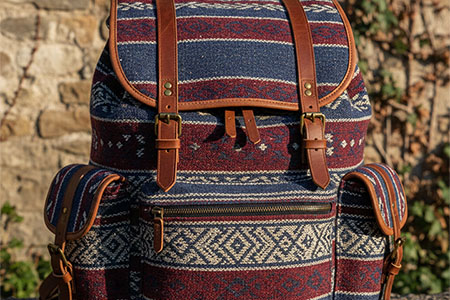 |
Yarn Dyeing soaks hue into strands before or after twisting. So, the color sinks deep into the thread, not just on top. This yields high colorfastness and durability for items like nylon, polyester, and cotton in backpacks. But end tones can differ by fiber type. That limits some shades because of how materials take dye. |
| Piece Dyeing | 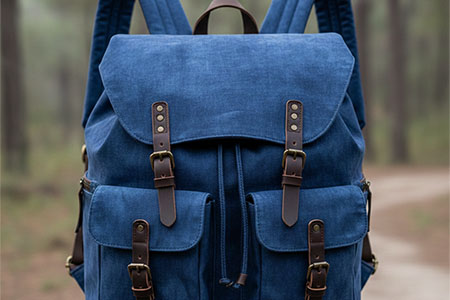 |
Piece Dyeing colors the finished fabric as a whole after weaving or knitting. The tint spreads evenly over the cloth. It gives consistent color coverage and strong batch-to-batch repeatability. So, it fits plain-color backpacks and big single-shade plans. |
| Digital Printing | 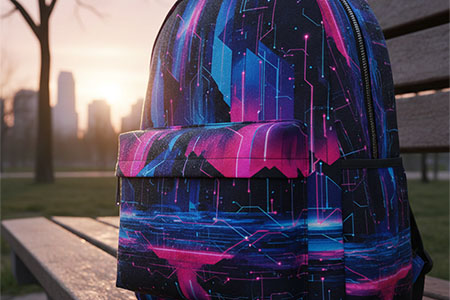 |
Digital Printing manages unlimited colors and complex imagery. This covers shifts, pics, and custom art with direct ink spray on cloth. It allows quick sampling and small-batch production with bright, sharp patterns and no shade limits. Perfect for very custom backpack plans. |
| Yarn-Dyed Woven Fabrics | 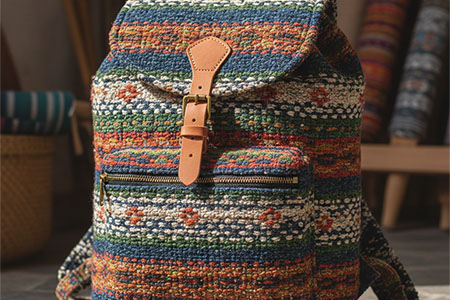 |
Yarn-Dyed Woven Fabrics dye threads before weaving. This makes cloths with deep color layers and clear effects like plaids and stripes. Since each thread holds its color, the woven cloth has depth and texture that top dyes can’t match. It adds eye appeal to patterned backpacks. |
Custom Color Solutions
standard color
Base color: black, grey, blue, red.
neutral color: Beige, khaki, olive green, dark brown, slate grey
Pantone color
Our Pantone color matching service makes sure of exact backpack shading with the field’s key guide. Buyers give a Pantone color code. Then, our lab mixes and checks samples to reach the aim in a close ΔE tolerance (≤2.0) for almost perfect eye match. We verify shade steadiness with light tools before bulk dyeing production. The minimum order quantity is 200 pieces per color keeps even, brand-true results over batches. Pantone’s fixed setup helps clear shade exchange from idea to build across cloths and stuff.
Corporate Standard Color Replication
To get true shade copies, we use color management software to check and guide tones closely. Spectrophotometer measurements give real data for evenness. The sample confirmation process confirms shade right before making starts. And inter-batch color control ensures every batch follows the company shade rule. This holds steady looks over all items.
Gradient Color
We supply several gradient types for special eye effects. These include horizontal gradients for smooth shifts, vertical gradients for up-down flows, diagonal gradients for bold styles, and radial gradients for round patterns. Our digital direct printing or special dyeing techniques apply gradients to cloths with fine detail and lively changes. This raises the item’s full design.
Customize function
-
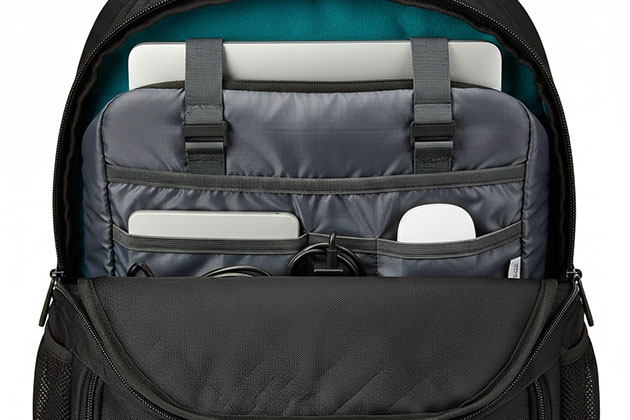 Laptop Protection System
Standard Features:
Independent laptop compartment with shock-absorbing layers for 360-degree protection.
Floating design avoids bump from falls.
Fleece lining guards against marks.
Size Options: 13″, 15″, 17″ dedicated compartments.
Ideal for: IT companies, design studios, and educational institutions.
-
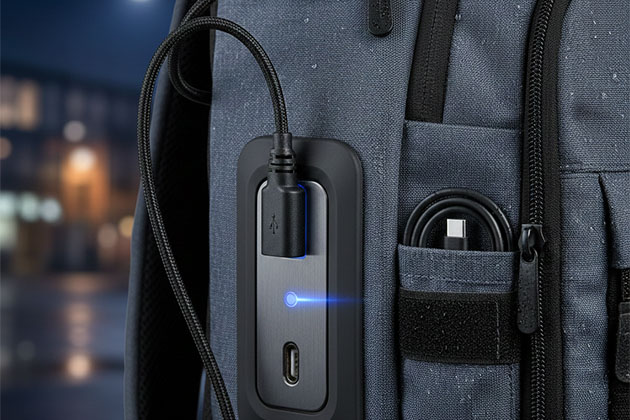 Smart Charging System
Functional Options:
External USB port for simple charging without bag open.
Built-in power bank compartment with cable sort.
Solar panel for outside charging.
Wireless charging zone (Qi standard compatible).
Certifications: CE/FCC/ROHS for safety.
Ideal for: Electronics companies, outdoor brands, tech gift suppliers.
-
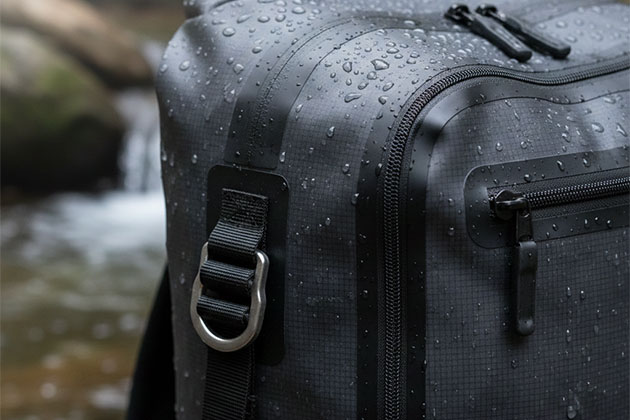 Waterproof Protection System
Protection Levels:
Basic: Water-repellent fabric treatment.
Medium: Waterproof zippers with sealed seams.
High: Fully sealed roll-top design.
Professional: Dive-grade waterproof materials.
Ideal for: Outdoor sports brands, travel goods suppliers, water activity centers.
-
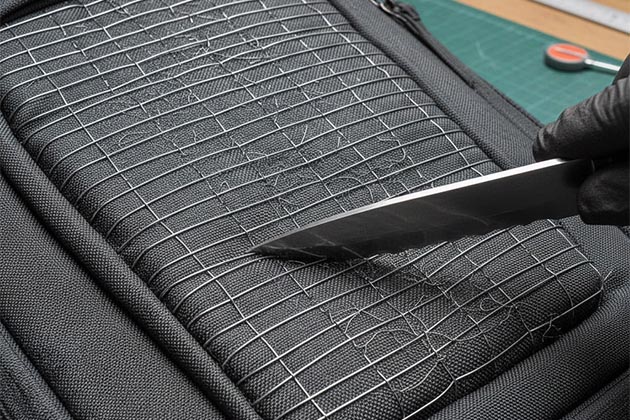 Anti-theft Security System
Security Features:
Hidden zipper design for anti-theft protection.
Cut-resistant fabric for knife-proof durability.
RFID blocking layer to protect card information.
Combination lock system for double security.
Ideal for: Business gifts, travel accessories, high-end brands.
-
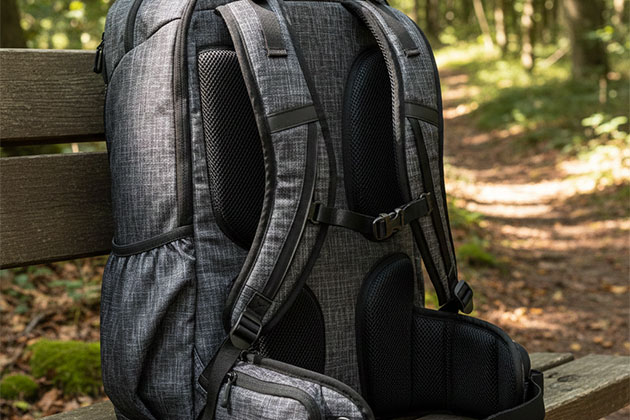 Back Support System
Optional Features:
Shoulder Strap: S-shaped curve, widened and thickened, memory foam padding.
Back Panel: 3D breathable mesh, floating design, adjustable back length.
Waist and Chest Straps: Detachable design, weight transfer system.
Breathable Design: AirMesh material, ventilation channels.
Ideal for: Outdoor gear brands, healthcare industry, educational institutions.
-
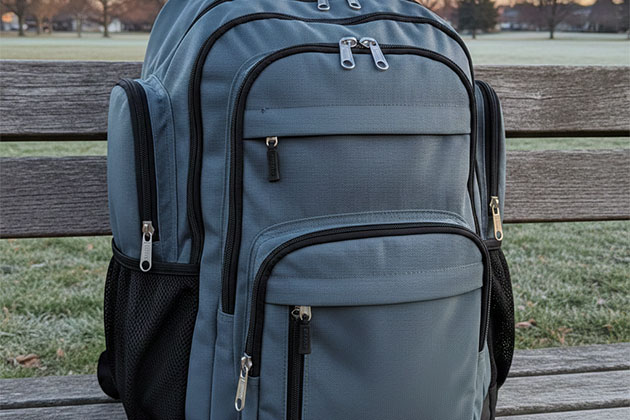 Storage System
Layered Design:
Basic Layering: Main compartment, front pocket, side pockets.
Professional Layering: 3-10 specialized compartments.
Elastic Layering: AdjustableVelcro dividers.
Dedicated Layers: Camera compartment, tool section, document layer.
Pocket Options: Zipper pockets, mesh pockets, elastic pockets, hidden pockets.
Ideal for: Photography equipment brands, professional tool brands, business accessories.
Backpack Size and Capacity Guide
When picking the right backpack, think about capacity first.
Small bags hold 10 to 20 liters. They’re good when you walk to school or carry your kid’s books. Height runs between thirty and forty centimeters. Width sits near twenty-five or thirty. Thickness stays thin – ten to fifteen millimeters. Size feels compact yet roomy enough. Everyday movement fits these proportions well
Medium capacity holds between 20 and 35 liters. Business travelers often carry these, also students, camera supplies. Height ranges from 40 to 50 centimeters, width between 30 and 35, thickness around 15 to 20. Size stays moderate, fitting different needs.
Large Capacity (35L+) can be used for long-distance travel, outdoor adventures and professional equipment.Dimensions: 50-70cm high × 35-40cm wide × 20-25cm thick.
For specialized sizes, like laptop backpacks, we customize sections:
13-inch: 30cm high × 22cm wide × 8cm thick
15-inch: 35cm high × 25cm wide × 10cm thick
17-inch: 40cm high × 30cm wide × 12cm thick.
For carry-on luggage, the IATA standard is:
Dimensions: 40cm high × 30cm wide × 20cm thick, standing tall at 40 centimeters in height
These measures can adjust to airline rules or your needs.
Customize LOGO
-
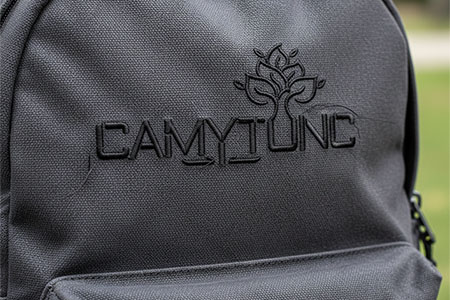
Embroidery
Embroidery gives a permanent logo that stays put without fading or flaking. It ensures lasting brand sight. The 3D effect raises the item’s felt quality. It works on cloths like cotton and nylon. This method suits company branding well.
-
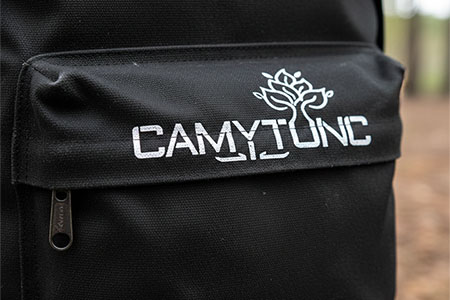
Screen Printing
Screen printing saves money for large runs. It brings bright, vivid colors and sharp, clear designs. Great for simple logos and text, it handles big makes with steady outcomes.
-
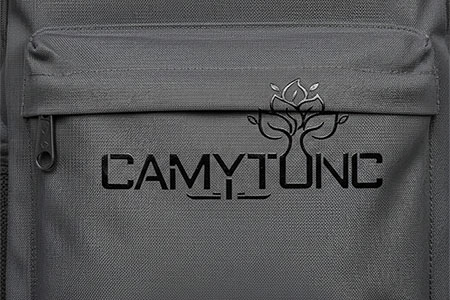
Heat Transfer Printing
Heat transfer printing allows full-color designs with no color limitations and photo-quality prints. The smooth texture keeps cloth breathable. It handles gradient effects nicely.
-
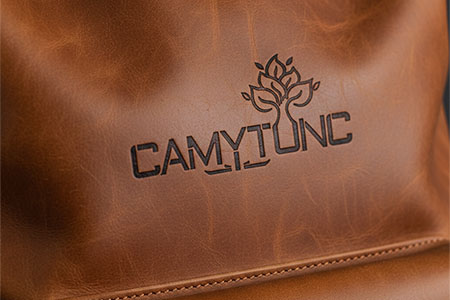
Laser Engraving
Leather engraved backpacks for personal luxury styles.
-
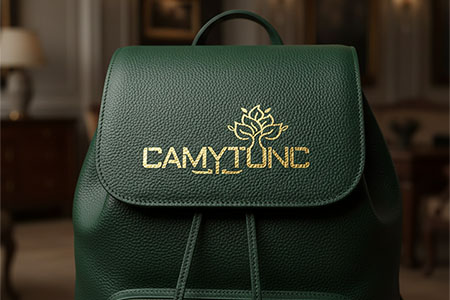
Foil Printing
Metallic logos give a shiny, top finish.
-
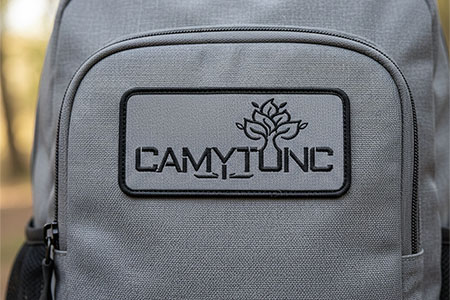
Patch Embroidery
Add custom patches for a special, chic brand touch.
Packaging Options
Transparent plastic bags: lowest cost, suitable for wholesale distribution, reducing packaging expenses
Color box packaging: enhances product value, ideal for retail sales, protecting products
Gift box + handle bag: perfect for gifts, ideal for high-end customization, brand image enhancement
-
For customization, MOQ is as follows:
Basic customization: 500 pcs
Embroidered logo: 500 pcs
Special fabrics: 1000 pcs
Complex functions: MOQ depends on specific processes and requirements.
-
Custom Backpack Process and Lead Time
Standard Customization Process:
Requirement Confirmation Stage (1-3 Days): Client provides custom requirements. Our team offers solution proposals. Both parties confirm cooperation details.
Sample Production Stage (5-7 Days): Design sampling. Sample confirmation. Modifications and adjustments.
Mass Production Stage (15-20 Days): Material procurement. Cutting and sewing. Process finishing. Quality inspection.
Packaging and Shipping Stage (2-3 Days): Packaging and warehousing. Logistics arrangement. Delivery tracking.
Expedited Service Options:
Standard Expedited: +20% cost, reduces production time by 30%.
Rush Expedited: +30% cost, reduces production time by 50%.
Super Rush Expedited: +40% cost, reduces production time by 70%.
-
Global Logistics & Shipping Solutions
Versatile Shipping Channels: Our shipping covers Sea, Rail, and Air freight. We ensure steady delivery to any spot worldwide.
Express for Small Batches: For small lots or rush jobs, we use top couriers like DHL, FedEx, UPS, and TNT. This door-to-door service gets there in 5–7 working days.
Bulk Freight Solutions: For large orders, pick Air Freight for quickness or Sea Freight to save most money. Sea Freight takes 40–45 days usually. But it’s the cheapest way to keep your project budget low.